Fact Sheet Dog Breed Shar Pei

Species: Dog
Breed: Shar Pei
QUEN-Fact Sheet Nr. 21-EN
Status: 10.01.2026
Species: Dog
Breed: Shar Pei
QUEN-Fact Sheet Nr. 21-EN
Status: 10.01.2026

1. Description of the animals

FCI Breed Standard* No.: 309 – in the German translation of 09.08.1999

Appearance and critical characteristics required by the standard:

The Shar-Pei is described as a „medium-sized, lively, compact dog with a square build and short loin“. Skin folds on the skull and withers, very small ears close to the skull and a muzzle resembling that of a hippopotamus give it a unique appearance. The dogs have a short, rough and bristly coat with no undercoat. According to the breed standard, the characteristic skin folds of the Shar-Pei should be present in moderate form on the skull, withers and base of the tail. On the rest of the body, they are „highly undesirable“ in adult dogs. External features desired by the standard such as „lips and upper muzzle area are well padded“ or „a skin bulge at the base of the nose is permissible“ are to be viewed critically because they are caused by a pathological change in the skin. These characteristics can only be achieved through increased hyaluron production in the tissue and therefore the standard promotes a disposition to disease.

In contrast, the original Chinese standard reads: „The muzzle is reminiscent of a (Chinese) roof tile, with a characteristic slender bone structure.  A fleshy muzzle and fleshy lips are not acceptable“. 

However, the underlying disease hyaluronosis, which causes the Shar-Pei’s characteristic extreme appearance, is also associated with several other health problems in the breed, such as inwardly turned eyelids (entropion) and ear disease.
Selection for ears that fit close to the head is also associated with an increased tendency to external ear canal disease. 

The increased production of hyaluronic acid and thickening of the skin can lead to increased colonization with yeasts in the ears and skin folds. The smaller ear canals of the breed favor this. 

*In contrast to §11b TierSchG, breeding specifications and regulations are not legally binding. Legally binding are the TierSchG and the TierSchHuV

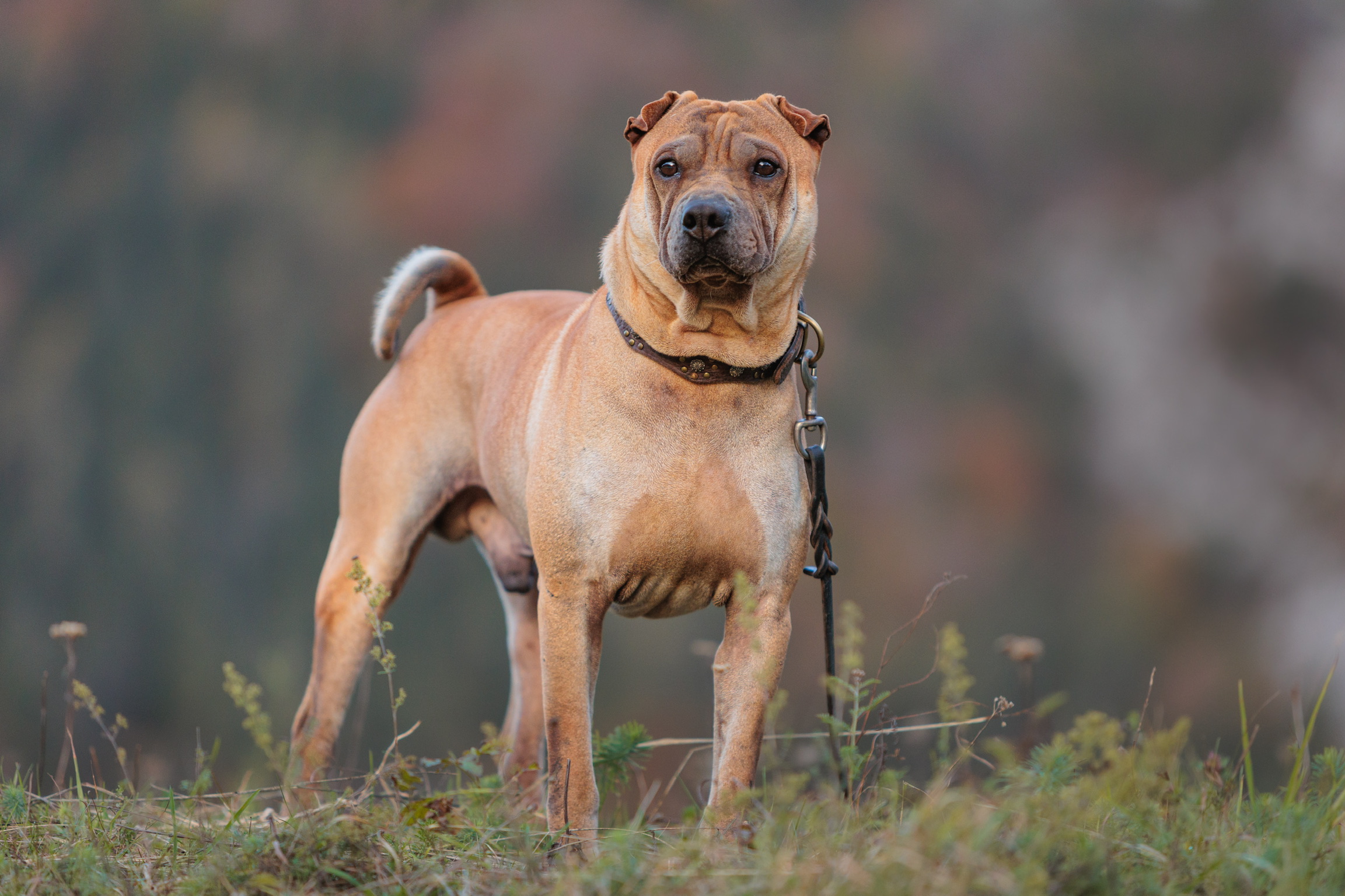
2.1 Picture 1

Bonemouth Shar Pei from China.
Picture: QUEN-Archiv

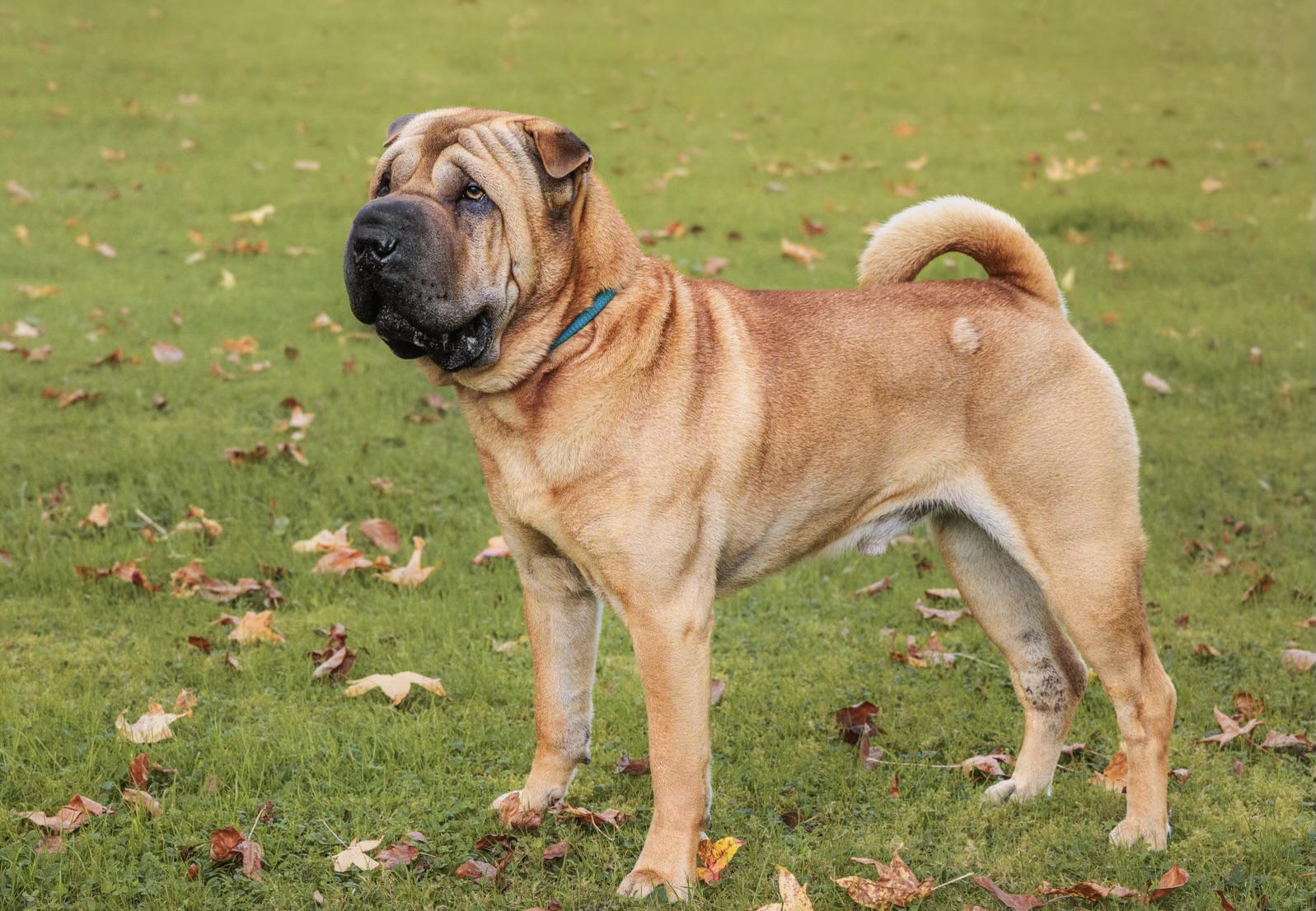
2.1 Picture 2

Meatmouth Shar Pei from Europe.
Picture: QUEN-Archiv

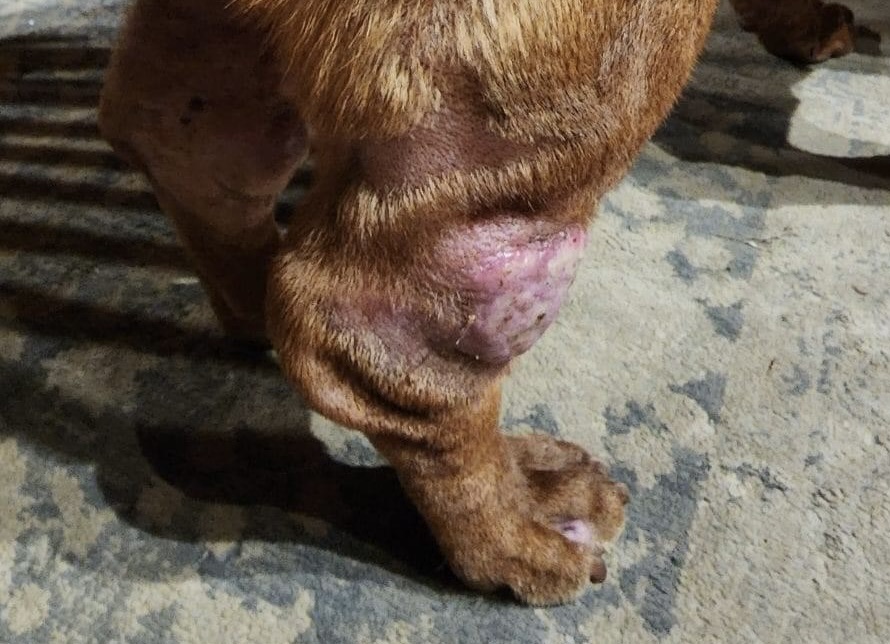
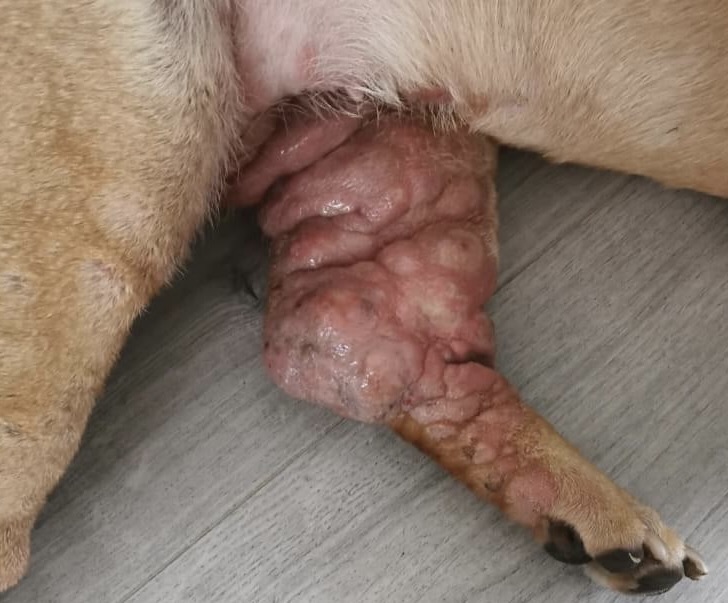
More pictures can be found here (click on picture):
 3. Problems/syndromes that may be present in the breed

Of several problems and diseases that are common in this breed, only the most important breed-typical defects and potentially occurring diseases are listed here. There is not yet sufficient data on the frequency of diseases that actually occur for many changes; these will be added later if necessary.

Especially for breeds with a very small population (the benchmark here is the annual number of puppies, see: https://www.vdh.de/ueber-den-vdh/welpenstatistik/ ), data material from different evidence classes is often available. In Germany, the number of Shar-Pei puppies bred annually is less than 100, in the UK it is around 600, although the declining public demand for ownership of these dogs could be due to a growing awareness of the high prevalence of health problems in this breed.

The Shar-Pei breed is known to have the following common problems/health disorders
(please also refer to the existing factsheets on individual defects, in particular entropion):

  • Shar-Pei Autoinflammatory Disease (SPAID)
  • Acute febrile neutrophilic vasculitis
  • Cutaneous mucinosis (Hyaluronosis)
  • Amyloidosis 
  • Eye diseases (Entropion, POAG/PLL)
  • Diseases of the musculoskeletal system
  • Hypocobalaminemia (Vitamin B12 Deficiency)
  • Brachycephalic obstructive airway syndrome (BOAS)

4. Other problems that may occur frequently

In addition to the breed-typical defects listed under point 3, there are indications in the veterinary literature of the occurrence of the following problems, which are not described further below, as no definitive conclusions can yet be drawn from the known prevalences and breeders, breeding clubs and associations have not yet provided any prevalence data collected under scientific conditions . However, the following statement by Hale (2021) applies to these cases: „The absence of evidence is not the evidence of absence“.

  • Atopic dermatitis 
  • Familial Mediterranean fever (FMF)
  • Generalized juvenile demodicosis 
  • Skin fold dermatitis Intertrigo/Pyoderma/Folliculitis 
  • Hiatal hernia 
  • Hypothyroidism
  • Immunoglobulin A deficiency 
  • Megaesophagus 
  • Mast cell tumor 
  • Cataract
  • Keratoconjunctivitis sicca 
  • Kidney diseases 
  • Panostitis 
  • Patellar luxation 
  • Prolapse of the nictitating gland (cherry eye) 
  • Tight lip syndrome 

5. Clinical signs and disease value of the typical defects mentioned above: Significance/impact on the physical/psychological well-being (burden) of the defect in the individual animal and classification in a burden category *

*The individual breeding-related defects are assigned to different burden categories (BC) depending on their degree of severity. The overall burden category is based on the most severe defect found in the individual animal. The BC system as a further development based on the Swiss model is still being developed and is currently only used for orientation purposes. The BC values given here should therefore be regarded as provisional. This is primarily because the German Animal Welfare Act does not contain a justiciable basis for classification into burden categories. In contrast to Switzerland, the legal standards in Germany do not quantify pain, suffering or harm or assess their quality but take them into account if they affect the animal more than just insignificantly.

The burdens that can be caused by breeding traits are divided into 4 categories (Art. 3 TSchZV, Switzerland). The overall assessment of an animal’s suitability for breeding is based on the category of the trait or symptom that is most detrimental to the animal (Art. 4 TSchZV, Switzerland).

Category 0 (no burden): these animals may be used for breeding.

Category 1 (mild burden): mild burden is present if a burdenful expression of traits and symptoms in pets and farm animals can be compensated for by appropriate care, husbandry or feeding, without interventions on the animal and without regular medical care measures. 

Category 2 (medium burden): these animals may only be bred if the breeding objective* is that the burden of the offspring is less than that of the parent animals. 

*For an evaluation in the information sheets, however, it is assumed that a breeding objective can actually be achieved through suitable breeding programs without the animals of the intermediate generations being expected to have breeding-related defects that could cause suffering, pain or damage (see also the corresponding expert opinion by Prof. Cirsovius).

Category 3 (severe burden): these animals may not be bred.

Shar-Pei AutoInflammatory Disease (SPAID)

Physical:
SPAID refers to Shar-Pei Autoinflammatory Disease, a collective term for a number of inflammatory autoimmune diseases in Shar-Pei. These diseases are genetic and are caused by a malfunction of the immune system. In Shar-Pei dogs, a genetic mutation causes an overreaction of the immune system, which triggers inflammation in the body. The syndrome is clinically heterogeneous and encompasses several clinical pictures, including familial Shar-Pei fever as well as other diseases such as arthritis, amyloidosis, otitis and breed-specific secondary dermatitis (vesicular hyaluronosis). In addition, affected dogs often have a loss of appetite, an increased need to drink, as well as vomiting, diarrhea and weight loss.

Shar-Pei fever
Also known as familial Shar-Pei fever, periodic Shar-Pei fever, recurrent Shar-Pei fever syndrome, swollen hock syndrome and is characterized by recurrent episodes of fever and inflammation. According to the Breed Profile of the Swedish animal health insurance company AGRIA, Shar-Peis had an approximately 3.5 times higher risk of fever/temperature increases between 2016 and 2021 than the average of all other breeds insured there. The prevalence of recurrent fever in Shar-Peis ranged from approx. 3 to approx. 70%, depending on the study. A survey of Shar-Pei owners in the UK found that only about half of the cases of Shar-Pei fever in their dogs resulted in active veterinary care.

Amyloidosis
Deposits of the insoluble fibrillar protein amyloid lead to amyloidosis. Amyloidosis is a collective term for various diseases in which proteins form poorly soluble, pathogenic deposits. This leads to dysfunction of the affected organ [33]. The kidneys are primarily affected, but the liver is also rarely affected. See below for full details.

Acute febrile neutrophilic vasculitis
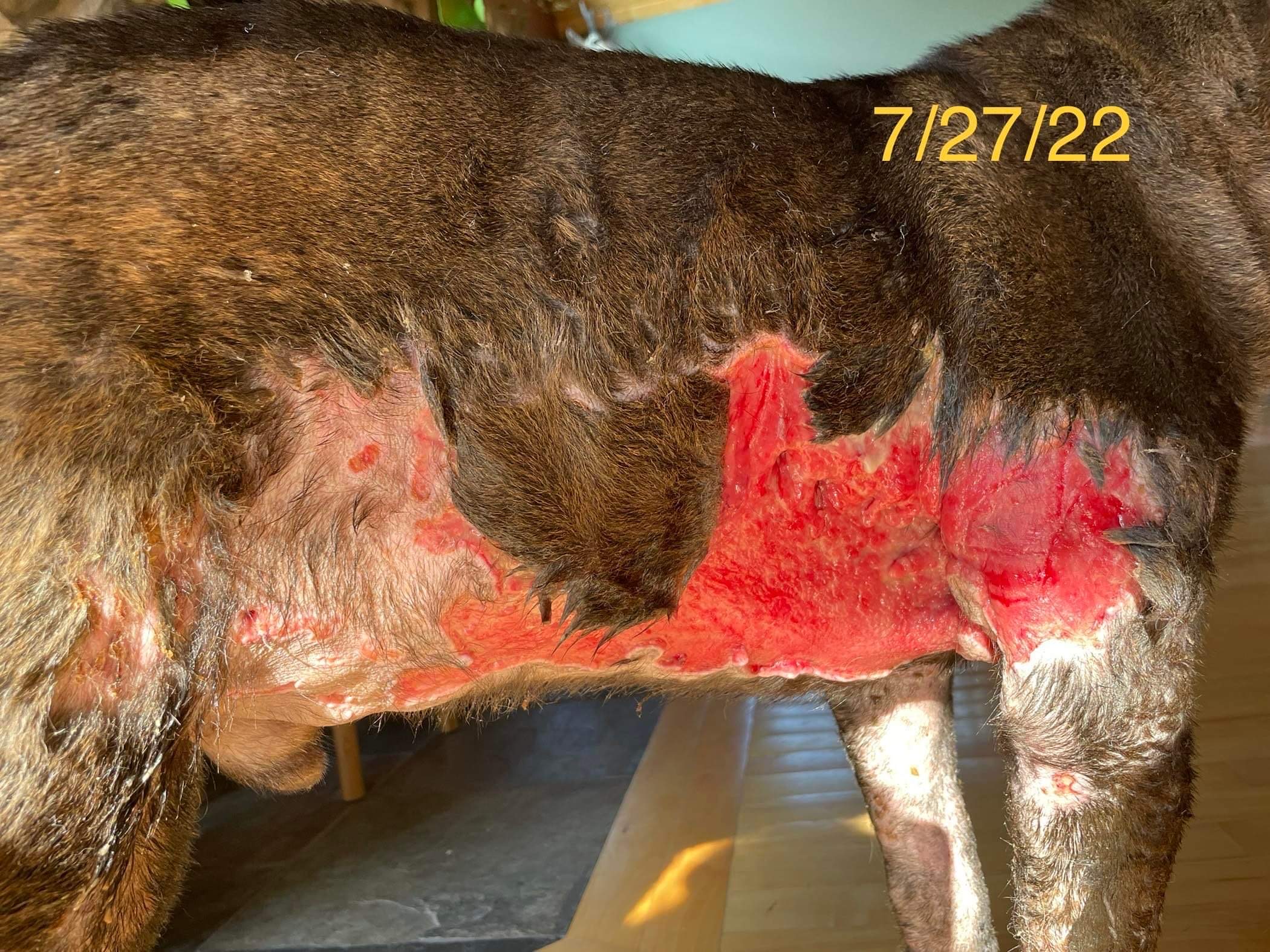
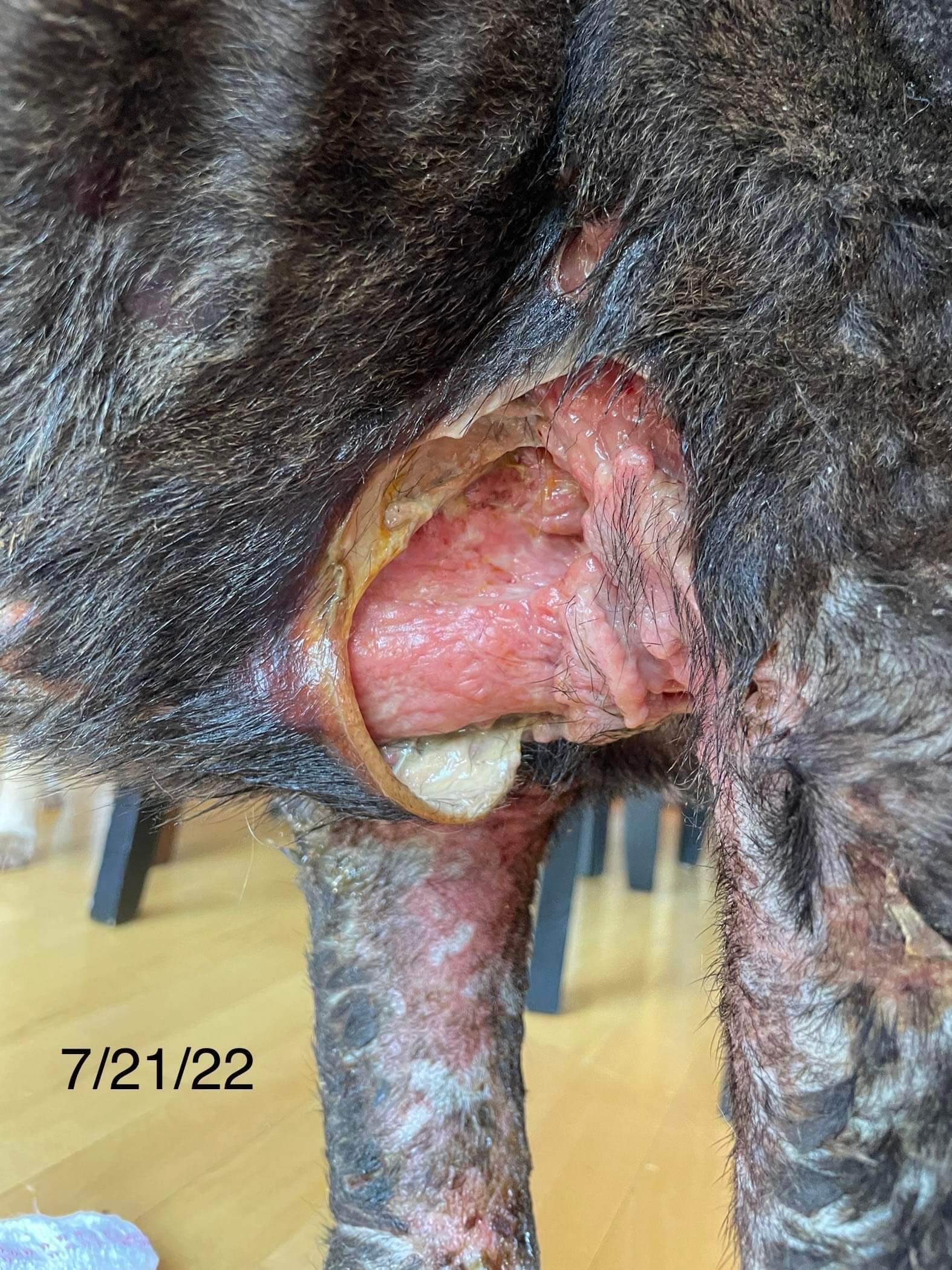
The disease begins acutely, with sudden development of systemic symptoms such as fever, pain, tachycardia and tachypnea. Subsequently, skin lesions developed, including palpable purpura, bullae, subcutaneous edema, detachment of the skin from the subcutis, and finally ischemic necrosis and ulceration of the skin and subcutis in the severely affected areas. Acute febrile neutrophilic vasculitis also rapidly leads to thrombosis and can result in death of the animal. Prevalence: rare, but very serious and agonizing for the dog

Psychological:
The dogs suffer from the (sometimes sudden onset) symptoms of the disease. The painful arthritis caused by the inflammatory processes sometimes severely impairs the dogs‘ movement. Dogs in a fever attack are frequently apathetic and often unable to stand up. Dogs suffering from acute neutrophilic vasculitis are described as lethargic. They appear depressed and eat and drink little. They feel unwell and are in pain.

Burden category: 3


Cutaneous mucinosis

Physical:
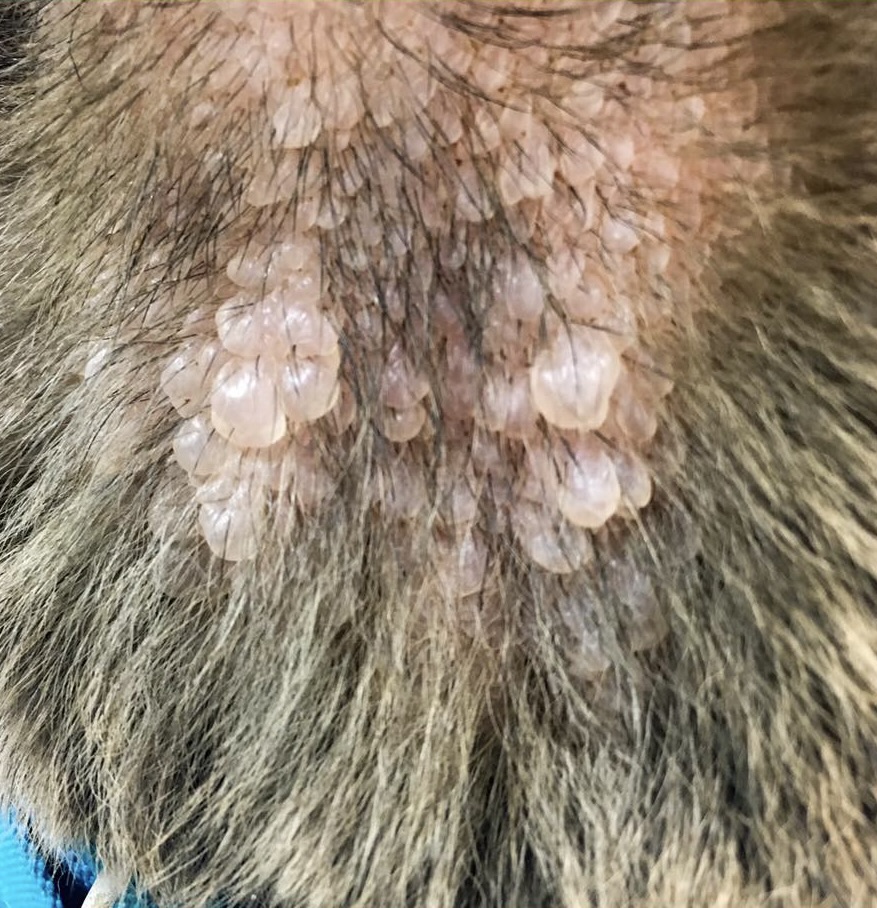
Due to a genetic defect, there is an excessive deposition of mucins in the skin, resulting in a thickening of the skin. This thickening is desirable for breeding purposes, as it gives the Shar-Pei its characteristic appearance (see also point 1). Blistering may occur in some cases. The blisters can be localized, multifocal or diffusely distributed and can range from mild to severe. Folliculitis, hair loss, redness and itching may also occur. 

The disease is very common and it must be assumed that most or even all Shar-Peis are affected to some degree by cutaneous mucinosis. Severe forms of cutaneous mucinosis can lead to secondary conditions such as intertrigo, bacterial infections and entropion due to facial wrinkling. These can lead to a considerable deterioration in health.

Psychological:
Primary cutaneous mucinosis is described as non-painful, however associated skin manifestations/blisters can be painful and limiting depending on the severity and other secondary conditions.

Burden category: 2-3 depending on the degree of severity and concomitant disease.


Amyloidosis

Physical:
Amyloidosis is a genetically caused misfolding of protein with extracellular deposition of protein masses. The misfolded proteins are deposited in the body as filamentous and insoluble structures, the so-called amyloid fibrils, predominantly in medullary renal structures, less frequently in glomerular structures of the kidneys. The heart, liver, gastrointestinal tract or nervous system can also occasionally be affected.
Depending on the source, the prevalence of Shar-Pei varies between approx. 19 and approx. 80 %. However, the disease is probably underdiagnosed, as affected animals can die before diagnosis. According to the Breed Profile of the Swedish animal health insurance company AGRIA, Shar-Peis had an approx. 4-fold increased risk of upper urinary tract diseases between 2016 and 2021 compared to the average of all other breeds insured there. 

The disease usually breaks out at an age of less than six years, but can also occur in much younger animals. The onset of the disease is often preceded by episodes of familial Shar-Pei fever syndrome. The clinical signs of amyloidosis vary depending on the severity of the kidney damage. Dogs with significant amyloid deposits in the kidney may be lethargic and weak due to both the loss of protein and the accumulation of toxic water products in the blood. Affected dogs have a reduced appetite, but drink and urinate excessively and vomit frequently. Some affected dogs develop severe gingivitis (inflamed gums), which is painful and leads to a further reduction in appetite and subsequent weight loss. Underlying inflammatory diseases such as „Shar-Pei fever“ can lead to painful swelling of the hocks and abdomen as well as diarrhea and loss of appetite.
The disease is progressive, untreatable and leads to death from kidney failure as more and more healthy tissue is replaced by the amyloid substance. The progression of kidney failure is usually very rapid in the late stages of the disease.

Psychological:
With the onset of renal failure, animals become increasingly lethargic and inappetent. Secondary gingivitis is painful. The strong, often unquenchable feeling of thirst caused by kidney failure is associated with suffering.

Burden category: 3


Eye diseases

Entropion 

Physical:
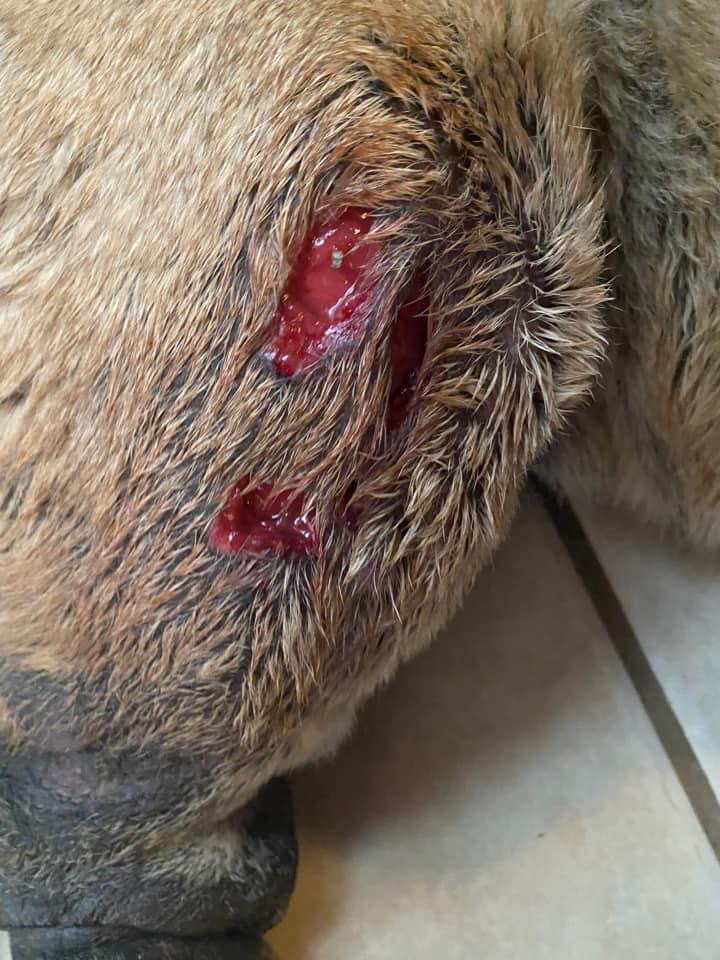
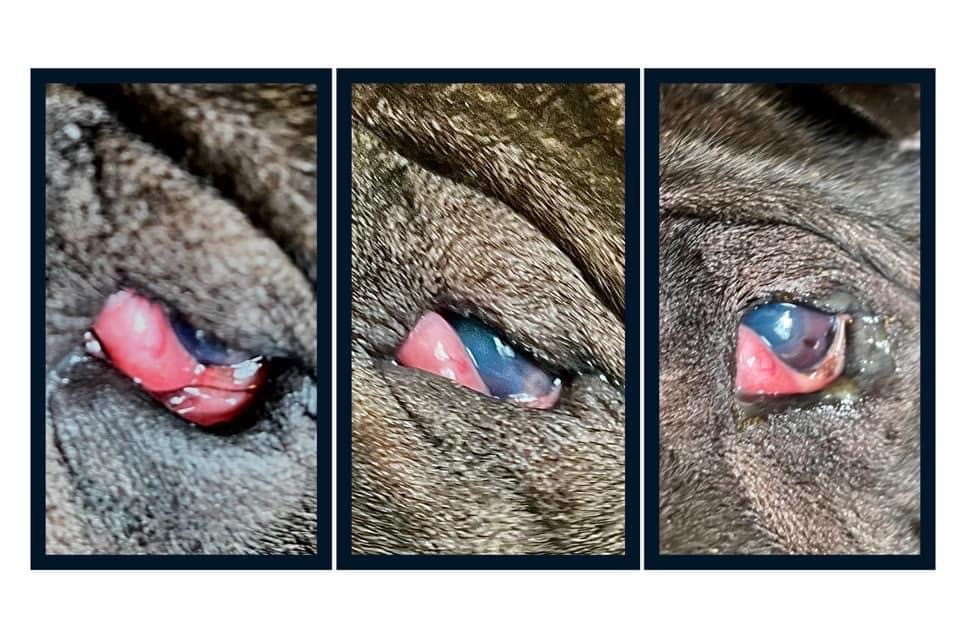
Entropion occurs more frequently in Shar-Pei due to the excess and thickened, overly folded facial skin. Almost a fifth of Shar-Pei in the UK receive veterinary treatment each year for entropion, a condition strongly linked to the extreme nature of thickened and folded skin and bristly hair that is characteristic of the Shar-Pei breed.   In another study, Shar-Peis had the highest annual prevalence of conformational entropion at 15.4%. According to the American College of Veterinary Opthalmologists (ACVO, 2022), entropion affected approximately 50% of all Shar-Pei examined between 1993 and 2017 and approximately 33% between 2018 and 2022. More recent ACVO test statistics for 2024 and 2025 still show a prevalence of approx. 24% and 21% respectivelyIn entropion, the eyelid margin is completely or partially curved inwards, resulting in trichiasis and irritation of the surface of the conjunctiva and cornea.

In many cases, entropion is due to the shape of the skull and eye socket and the amount of skin on the head. Most cases occur in the first year of life, with some severely affected cases appearing in puppies immediately after opening the eyes.  See pictures under point 2.

Psychological:
The irritation and pain of the eye caused by the inward-pointing hairs significantly affect the well-being and behavior of affected dogs.

Burden category: 2-3

Primary glaucoma (POAG)

Physical:
Primary open-angle glaucoma (POAG) is a connective tissue disorder in the eye that is often genetic. This means that the aqueous humor cannot drain properly. The resulting increase in internal pressure in the eye puts strain on the optic nerve and retina, is very painful for the dog and can ultimately lead to blindness. The Shar-Pei is genetically predisposed to primary open-angle glaucoma. Depending on the study, the prevalence of the disease in Shar-Pei is between approx. 2 and approx. 4%.   In the years between 2017 and 2023, up to 40% of the animals tested were simple carriers of the responsible gene mutation.

Symptoms include dilated pupils, red eyes, cloudy cornea and increased intraocular pressure. A sharp increase in pressure can cause severe pain, which can lead to reluctance to eat, scratching of the eye, rubbing of the head against objects and aggression. Due to the high, uncontrollable intraocular pressure, the affected bulb often has to be removed.

Psychological:
The restricted vision or complete loss of vision can lead to serious psychological burden for the dog. The dog suffers from severe pain due to the increasing intraocular pressure.

Burden category: 3 (restriction of a sensory organ).

Primary lens luxation (PLL)

Physical:
Primary lens luxation (PLL) is a displacement of the lens away from its proper position due to tearing of the zonular fibers. This can lead to increased intraocular pressure and the formation of acute glaucoma.
In Shar-Pei, PLL is often caused by primary open-angle glaucoma and is therefore often regarded as an ocular disease complex (POAG/PLL), especially as both diseases are caused by the same gene mutation. Depending on the reference, the prevalence is between 20 and approx. 23%. In a 2007 study, the relative risk of developing PLL was between approx. 7 and approx. 45 compared to the reference population. The ACVO test statistics show a prevalence of 1.3% in a total of 670 animals tested between 1993 and 2019. Between 2024 and 2025, PLL was not detected in 115 tested animals.
PLL occurs in both eyes without exception, symptoms include eye twitching, blinking, inflammation and complete loss of vision. These symptoms are accompanied by severe pain. Affected dogs often refuse to eat.

Psychological:
Dogs with a primary lens luxation not only suffer pain, but also anxiety, as they are unable to avert this dangerous condition. The restricted vision or complete loss of vision can also lead to serious psychological burden for the dog.

Burden category: 3 (restriction of a sensory organ).


Diseases of the musculoskeletal system 

Elbow dysplasia

Physical:
Elbow dysplasia is a progressive skeletal disease that may include osteoarthritic changes, incongruity of the joint, a fragmented medial coronoid process, osteochondrosis dissecans of the trochlea humeri, and an isolated anconeal process. 

The Shar-Pei is predisposed to elbow dysplasia, which occurs with a prevalence of between approx. 25 and 50 %, depending on the study.

The lesions often affect both elbow joints and several disease processes can occur simultaneously. The medical history, clinical signs and symptoms are similar in all three diseases and result from the acute joint inflammation and the progressive degeneration of the elbow. Dogs under one year of age already show lameness, which worsens with movement or after periods of rest. Typically, affected dogs stand/sit with the carpal joint rotated outwards, the elbow abducted and a circular forearm movement dominates when walking. In advanced stages, crepitations, thickening of the joint capsule and other movement restrictions occur.

Psychological:
Affected dogs suffer from the pain, the restriction of motor function and the associated behavioral restrictions.

Burden category: 2-3 depending on the degree of severity.


Hip dysplasia

Physical:
In principle, hip dysplasia can occur in all dog breeds; the Shar-Pei appears to be predisposed and, according to OFA test statistics, develops the condition with a prevalence of approx. 16%. In older studies, the prevalence of hip dysplasia in the Shar-Pei was between approx. 2 and approx. 21%.

Hip joint dysplasia is a complex developmental disorder characterized by joint lability and osteoarthritis in one or both hip joints. Often, no or only minimal clinical signs are visible. In affected dogs younger than one year of age, hip instability and overloading of some joint areas occur. Pain is mainly caused by straining or stretching of the ligaments, joint inflammation and microfractures of the hip socket. Lameness occurs.
In old dogs, gait abnormalities and muscle atrophy of the hind limbs can be recognized. Gait abnormalities include stiffness, reduced stride height, shortened stride length, difficulty standing up, climbing stairs and jumping over obstacles are typical clinical signs. Due to osteoarthritis, they suffer from chronic pain. 

Psychological:
When movements are no longer pain-free and unrestricted, the dog’s well-being is impaired because its ability to communicate and interact with its environment is severely limited, which can lead to frustration, stress and behavioral changes.

Burden category: 2-3 depending on severity.


Hypocobalaminemia (Vitamin B12 deficiency) 

Physical:
Shar-Pei have a genetic predisposition to vitamin B12 deficiency and the prevalence figures in the literature are over 50%. In Shar-Pei dogs, vitamin B12 deficiency results in long-lasting and severe gastrointestinal disorders such as diarrhea, vomiting and/or weight loss. Further effects can be disorders of blood formation and neurological disorders. In Shar-Peis, the disease can sometimes remain subclinical. The typical signs of vitamin B12 deficiency in other dog breeds such as hyperammonemia, hypoglycemia and epileptic seizures do not occur in Shar-Pei dogs.

Psychological:
It is known from human medicine that a vitamin B12 deficiency can lead to a variety of neurological and psychiatric symptoms. Whether and which symptoms occur in dogs with hypocobalaminemia has not yet been sufficiently investigated.

Burden category: 1-2 depending on severity.


Brachycephalic obstructive airway syndrome (BOAS

Physical:
A brachycephalic head shape is part of the breed standard, and therefore BOAS can also occur in the Shar-Pei. Although the Shar-Pei does not generally belong to the brachycephalic breeds, some Shar-Pei suffer from a similar symptom complex, which is caused by a narrowing of the airways due to thickened mucous membranes. The cause here is again the increased storage of hyaluronic acid, which leads to swelling of the tissue. In affected dogs, this leads to reduced performance, poor heat tolerance and an increased risk of anesthesia. In individual cases, surgical correction of the upper airways may be necessary. No data is available on the prevalence in Shar-Pei, as BOAS is rarely diagnosed as a single condition. 

The most important congenital anomalies are stenotic nostrils, an excessively long soft palate in relation to the shape of the head and tracheal hypoplasia. The constant narrowing and obstruction of the airways make breathing difficult. The constantly increased respiratory effort leads to secondary changes that further narrow the airways, including collapse of the larynx (the glottis, the opening to the trachea). 

BOAS leads to snoring, noisy breathing, mouth breathing, respiratory distress with rapid breathing and struggling for air and can lead to collapse and death. Dogs with BOAS cannot move even moderately, are very susceptible to heat stroke and have difficulty sleeping. For more details, see existing QUEN fact sheets (e.g. Fact Sheet No. 8 Dog Brachycephaly) and on various brachycephalic breeds (Nos. 23, 26, 27, 29, 30, 34, 35, 36).

Psychological:
Even mildly affected dogs suffer and are often unable to cover longer distances due to their impaired breathing.

Burden category: 2-3 depending on severity.


Life expectancy and mortality

With an average life expectancy of approx. 4.5 to approx. 7 years, the Shar-Pei is well below the average of approx. 11 years for other purebred dog breeds. The shorter life expectancy is mainly attributed to the predisposition for the SPAID disease with its accompanying diseases and consequences. Kidney disease is therefore, as expected, a major cause of premature death in the Shar-Pei. Neoplasia is also a common cause of increased mortality in the breed.

Data from AGRIA shows that the Shar-Pei had a 1.5-fold increased relative risk of premature death or euthanasia between 2016 and 2021.


Conclusion

In the Shar-Pei, the genetic make-up, which also determines the breed-typical (standard) expression of the body shape, already results in an overall burden category of 2-3.

When comparing the breeds most affected by diseases that are directly associated with the external appearance required by the breed standard, the Shar-Pei was in fourth place in the UK. The conclusion of a report published in 2023 on a wide-ranging study that analyzed the health data of 1913 Shar-Pei breed dogs in the UK was:

„For legislators, the findings here provide a strong evidence base to help assess whether the dogs that we currently define as Shar Pei meet the requirements of The Animal Welfare Act (2006) that includes the need to be protected from pain, suffering, injury and disease.” […] “In summary, it is clear that several serious welfare issues are genetically and phenotypically intrinsic to the current extreme variants of Shar Pei that are commonly owned in the UK and that urgent action is needed to reform the breed to protect the welfare of dogs and to ensure that anyone producing, owning or promoting these dogs in the future is meeting their legal, ethical, moral and social responsibilities.”

As a consequence of the diseases described under point 5, some animal health insurance policies exclude the reimbursement of certain veterinary measures. For example, AGRIA does not cover the costs of removing excess skin or treating eye, ear or skin diseases in Shar-Pei.


Animal ethical evaluation of the Shar-Pei breeding problem

On the basis of the facts stated in this QUEN information sheet, which list the probability of a number of breeding-related defects in burden categories 2-3 (moderate to severe burden) and 3 (severe burden), it can be stated from an animal ethics perspective that the continued breeding of affected animals of this breed with homozygous and heterozygous SPAID carriers is not justifiable from an animal welfare ethics perspective and must be classified as highly problematic for the few remaining SPAID-free animals. If a breeder has to assume that animals that he brings into the world through his breeding will have to endure or suffer considerable and possibly permanent restrictions on their well-being and/or pain, this implies a deliberate violation of animal welfare standards. This is already unacceptable if at least one of the breeding-related defects in burden categories 2-3 mentioned in this information sheet occurs in a foreseeable manner in at least one of the animals bred by him, whereby „foreseeable“ hereditary changes in the offspring are also present if they are only expected to occur after a generation jump in later generations. 

6. Heredity, genetics, known gene tests, if applicable, average coefficient of inbreeding for the breed (COI), if applicable

According to current knowledge, the linking of a breed-determining trait with a disease or predisposition to a disease is to be assessed as defective/torture breeding. In the Meatmouth-Shar Pei, which have particularly impressive physiognomies, the effect is even more pronounced due to the multiplication of the mutation.
For the sake of completeness, it should be mentioned that there is also a study that questions the connection between the „Meatmouth“ duplication near HAS2 and familial Shar-Pei fever. 

However, this is of no great practical significance for breeding, as it appears to be more of a genetic linkage; the Shar-Pei fever factor seems to be located on Chr 13 next to the hyaluronidase locus and appears to have been „co-bred“ unintentionally. Due to the close genetic linkage, this defect can hardly be bred out.

Neither in the two clubs represented by the VDH nor in another (FRZ-Freie Rassezüchter e.V.) are all dogs compulsorily tested for the presence of defects common in the breed before breeding or puppies, although appropriate genetic tests are often available. It should also be noted that the „breeding regulations“ specified by the clubs are also different and sometimes explicitly allow breeding with known risk genes.

Shar-Pei Auto-Inflammatory Disease (SPAID)/Familial Shar-Pei Fever
Dogs with SPAID are more likely to have recurrent episodes of fever, various signs of inflammation of the mouth, eyes, ears, joints, skin and intestines. 

The wrinkled phenotype is the result of an excessive deposition of hyaluron in the skin. The origin of this lies in an increased expression of HAS2 (HA-synthesizing gene) on chromosome 13. The mutation is present in the Shar-Pei in several copies (at least two). The more copies there are, the more hyaluronic acid is formed and stored in the tissue, which leads to the padded snout, among other things. When fragmented, HA can act as a trigger for an immune reaction and stimulate sterile fever and inflammation. The strong selection for the skin phenotype therefore appears to favor a pleiotropic mutation that predisposes these dogs to periodic fever syndrome. It is assumed that fragments of the increased hyaluronan in the skin trigger inflammation.
A HAS2 gene test is available.

Another mutation in the MTBP gene (also located on chromosome 13), which is associated with inflammatory processes via the MTBP-MDM2 signaling pathway, is associated with the occurrence of SPAID; the inheritance is indicated as autosomal dominant with variable penetrance.

A genetic test for the MTBP variant is available.

Cutaneous mucinosis
Cutaneous mucinosis occurs as a result of a genetic defect in hyaluronic acid metabolism. Increased expression of hyaluronic acid synthases 2 leads to hyaluronic acid accumulation. This is due to the gene sequence on chromosome 13 described above, which is present in multiple copies in Shar-Peis, whereas it only occurs once in other dogs.

Amyloidosis
Shar-Peis have an inherited predisposition to amyloidosis, and an autosomal recessive predisposition is suspected. In a pedigree analysis of Shar-Pei dogs with amyloidosis, 17 of 24 dogs had multiple family clusters that shared a common ancestor within three generations. The disease affects both males and females and is therefore not inherited in a sex-linked (i.e. autosomal) manner. A signal for association with amyloidosis was detected on chromosomes 13 and 14, suggesting a multifactorial disease course and the presence of genetic modifiers for this SPAID subphenotype. A genetic test is not available.

Acute febrile neutrophilic vasculitis
The etiopathogenesis of the disease is as yet unclear, but a connection with a misdirected immune response is being discussed, which could point to SPAID as the cause of the disease in Shar-Pei.

Entropion
In the Shar-Pei there is a clear breed predisposition for entropion with a presumably polygenic inheritance.  The excess and thickened, excessively folded facial skin required by the standard favors the development of entropion. An inherited form of primary entropion is suspected, but has not yet been definitively proven. 

Primary open-angle glaucoma and lens luxation (POAG/PLL)
Both eye diseases are caused by an autosomal recessive variant in the ADAMTS17 gene, which in the pure genotype leads to a connective tissue disorder that can lead to blindness due to increasing intraocular pressure and is often accompanied by lens luxation.
A genetic test is available.

Elbow dysplasia
The genetic basis of elbow dysplasia is inherited differently in different breeds. Due to the complexity of inheritance and the impact of environmental variables on disease expression, it is unlikely that genetic testing for elbow dysplasia will be possible in the foreseeable future.

Hip dysplasia
Genetic screening programs are hampered by the polygenic nature of hip dysplasia and environmental influences on phenotypic expression. No molecular diagnostic tests available.

Hypocobalaminemia (vitamin B12 deficiency)
A region on chromosome 13 contains one or more genes that may be responsible for hypocobalaminemia. So far, however, only markers are known, a causative variant has not yet been identified for the Shar-Pei, a genetic test is therefore not available (December 2025).

Brachycephalic obstructive airway syndrome (BOAS)
The shortened nose is a conformation-related breed characteristic. BOAS in Shar-Pei is a multifactorial disease in which the thickened mucous membrane caused by hyaluronic deposits causes stenosis in the nostrils and obstructed airways. 

7. Diagnosis – Necessary examinations before breeding or exhibition

Caution: Invasive examinations that are burdenful for the animal should only be carried out on breeding animals in justified cases of suspicion in order to evaluate treatment options if necessary.  Not, however, if visible defects already lead to a ban on breeding and showing.

a) Diagnosis

Shar-Pei AutoInflammatory Disease (SPAID)
Symptoms and breed affiliation can provide initial clues. HAS2 genetic test and genetic test for the MTBP variant as confirmatory tests. Further diagnoses are currently only possible by excluding other diseases. 

Acute febrile neutrophilic vasculitis
Suspected diagnosis based on clinical symptoms and race.  Histopathological examinations of skin biopsies and the exclusion of other diseases can confirm the diagnosis.

Amyloidosis
Detection of amyloid in a tissue sample using Congo red staining. Tissue is obtained by excision, but mostly by biopsies from organs (heart, kidney, intestine, rectum, skin, liver, etc.) or by aspiration of subcutaneous fatty tissue. If amyloid is detected histologically via green birefringence in polarized light, an immunohistochemical classification of amyloidosis can be performed using specially produced antibodies if required.
A genetic test is not available.

Cutaneous mucinosis
The breed and clinical symptoms provide initial indications. Measurement of skin thickness by ultrasound, histology and histochemical examinations.

Eye diseases

A complete ophthalmologic examination should be performed.

An entropion can usually be diagnosed adspectorily.

For a long time, the diagnosis of primary glaucoma (POAG) was mainly made on the basis of intraocular pressure. However, studies show that degeneration of the optic nerve can occur at an earlier stage, so this method of diagnosis alone is inadequate. Loss of vision due to glaucoma cannot be reversed. Primary lens luxation (PLL) must be diagnosed by an ophthalmologic examination and the diagnosis is confirmed by the simultaneous presence of POAG.  

A genetic test is available for POAG/PLL and can confirm the diagnosis.

Elbow dysplasia
Imaging procedures, e.g. X-ray or computer tomography, enable detailed visualization of the bony parts of the joints. In addition, computer tomography enables not only the detection but also the monitoring of the progression of elbow dysplasia.

Hip dysplasia
Various provocation tests are known: Checking the hip capsule for passive mobility, stretching, flexion, extension and evaluation of the bony constitution and for signs of osteoarthritis as well as subluxations.
The most commonly used method for diagnosing canine hip dysplasia is radiography (classic or PennHIP® method). Imaging techniques can also be used to observe and evaluate the development of the acetabulum.

Hypocobalaminemia (Vitamin B12 deficiency)
The diagnosis is made by determining serum cobalamin and methylmalonic acid and, if necessary, the homocysteine concentration in the blood. 

Brachycephalic obstructive airway syndrome (BOAS)
A suspected diagnosis can be made by adspection, which should be supplemented by further diagnostics (laryngoscopy, X-ray, etc.).

b) Necessary examinations to evaluate therapeutic measures or before breeding or showing

  • Adspection / inspection of the individual animal: Visual appearance provides an initial indication of any underlying defects, e.g. indication of visible mucinosis. Dogs with visible mucinosis must be excluded from breeding and showing, depending on their severity, and in any case must be subjected to further examinations,
  • Genetic test for HAS2 and MTBP (SPAID): single and double carriers of the two defective genes located on chromosome 13 must be excluded from breeding and showing.
  • Genetic test for primary glaucoma and/or lens luxation (POAG/PLL). Frequency: once.
  • X-ray: hip joint dysplasia. Frequency: once from 20 months.
  • X-ray: elbow dysplasia. Frequency: once from 12 months.
  • Skin: Adspection for the presence of skin diseases (acute febrile neutrophilic vasculitis, atopic dermatitis, cutaneous mucinosis). Frequency: annually.
  • Veterinary eye examination: entropion, primary glaucoma and/or lens luxation (POAG/PLL), cherry eye. Frequency: annually.
  • In case of suspicion: DNA examination to determine the genetic inbreeding coefficient

8. Necessary or possible orders from an animal welfare point of view

Decisions on breeding or exhibition bans should be made in connection with the burden category (BC). Depending on the severity and findings, the decisive factor for a breeding ban may be the most severe finding, i.e. the finding that most affects the animal and its classification in one of the Burden categories (BC), or also the correlation assessment if there are many individual, more than just insignificant breeding-related defects. The individual inbreeding coefficient of an animal should also be taken into account and, in this case, the animal’s status as a carrier of risk genes.

In general, attention should also be paid to the planned breeding of otherwise symptom-free Shar-Pei breed dogs:
In addition to external, anatomical and functional characteristics as well as the behavior of both breeding partners, the possibilities of breeding hygiene advice at the molecular genetic level should be used and in particular the genetic inbreeding coefficient, the heterozygosity value and the dog leukocyte antigens (DLA) for the breed should be determined. Increasingly, so-called matching tools/scores can also facilitate the selection of suitable breeding partners. In the case of the Shar-Pei, breeding populations from the country of origin, China, should also be considered.

a) Regulations that appear necessary 

Breeding ban for animals with visible mucinosis, single and double carriers of the two defective genes located on chromosome 13 (HAS2 and MTBP gene test) as well as in the presence of defects/characteristics of burden category 2 or 3.

Exhibition ban for all animals with defects in burden category 2 or 3. Animals with defects/traits that are classified as burden category 2 or 3 according to the Swiss model may neither be bred nor exhibited. The exhibition of these animals must be prohibited in accordance with Section 10 TierSchHuV, also in the light of Article 20a of the Basic Law (if applicable in conjunction with Section 16a (1) sentence 1 TierSchG).

b) Possible orders

Order for further diagnostics in case of suspicion of the existence of further breeding-related defects for the evaluation of therapy options 

c) Recommendation for inquiries and orders within the scope of a risk assessment measure in the case of requests for a breeding license:

  • Breeding association/club
  • Breeder
  • Population size of the breed in the club/association
  • Number of SPAID-free animals in the population
  • Currently valid breed standard and breeding regulations
  • Requirements in the standard / anatomical characteristics that predispose to diseases
  • Genomic (not calculated) inbreeding coefficient of the animal / breed
  • Diversity (HET, DLA)

Examinations

  • Tests carried out voluntarily
  • Mandatory tests to be carried out before use for breeding

 Genetic tests (which are available and verified for the breed?)

  • Voluntary genetic tests
  • Mandatory genetic tests to be carried out before use in breeding
  • Result genetic test SPAID


Please note:
Measures taken by the competent authority must be recognizably suitable to prevent future damage to the animal concerned and/or its offspring. With regard to the type and depth of processing of orders and breeding bans, decisions are always made on a case-by-case basis at the discretion of the competent authority, taking into account the circumstances found on site.

9. General assessment of animal welfare law

In accordance with Section 11b TierSchG, it is prohibited to breed vertebrates if breeding knowledge indicates that, as a result of breeding, the offspring or progeny will, among other things

  • body parts or organs for species-appropriate use are missing or unsuitable or deformed for hereditary reasons, resulting in pain, suffering or damage (Section 11b para. 1 no. 1 TierSchG) or
  • hereditary behavioral disorders associated with suffering occur (§ 11b para. 1 no. 2 a) TierSchG) or
  • any species-appropriate contact with conspecifics leads to pain or avoidable suffering or damage to themselves or a conspecific (§ 11b Para. 1 No. 2 b) TierSchG) or
  • keeping of the animal is only possible under pain or avoidable suffering or leads to damage (§ 11b Para. 1 No. 2 c) TierSchG).

Pain is defined in animals as an unpleasant sensory perception caused by actual or potential injury that triggers motor or vegetative reactions, results in learned avoidance behavior and can potentially change specific behaviors (Hirt/Maisack/Moritz/Felde, TierSchG, Kommentar 4th ed. 2023 § 1 para. 12 mwN; basically also Lorz/Metzger TierSchG 7th ed. § 1 para. 20).

Suffering is any impairment of well-being not already covered by the concept of pain, which goes beyond simple discomfort and lasts for a not insignificant period of time (Hirt/Maisack/Moritz/Felde Tierschutzgesetz Kommentar 4th ed. 2023 § 1 para. 19 mwN; Lorz/Metzger, TierSchG Komm. 7th ed. 2019 § 1 para. 33 mwN). Suffering can also be physically and psychologically impairing; fear in particular is classified as suffering in the commentary and case law (Hirt/Maisack/Moritz/Felde Section 1 TierSchG para. 24 with further references; Lorz/Metzger Section 1 TierSchG para. 37).

Damage occurs when the physical or mental condition of an animal is temporarily or permanently altered for the worse (Hirt/Maisack/Moritz/Felde TierSchG Komm. 4th ed. 2023 § 1 para. 27 mwN; Lorz/Metzger TierSchG Komm. 7th ed. 2019 § 1 para. 52 mwN), whereby completely minor impairments, based on a physical or psychological basis, are not taken into account. -(see VG Hamburg decision of 4 April 2018, 11 E 1067/18, juris para. 47: „temporary or permanent“; see also Lorz/Metzger Tierschutzgesetz 7th ed. § 1 para. 52: A permanent effect is not required). The target condition is assessed on animals of the same species (VG Hamburg decision of 4.4.2018, 11 E 1067/18, juris para. 47).

Materiality need not be given (see VG Schleswig Urt. v. 2.7.2018, 1 A 52/16: Section 11b also applies if the pain, suffering or damage is not significant within the meaning of the TierSchG); pain, suffering etc. as such is therefore sufficient (see also BMEL Qualzuchtgutachten p. 8: „The significance of pain, suffering or damage need not be given for the fulfillment of the prohibition according to Section 11b“).

Breeding forms in which the occurrence of pain, suffering or damage can only be reliably and sustainably prevented by special measures and interventions also fall under Section 11b (BMEL torture breeding report p. 7). 

The breeding of Shar-Pei fulfills the definition of torture breeding due to the presence of one or more of the damages, pain and suffering described in detail under point 5, in particular

  • Shar-Pei Autoinflammatory Disease (SPAID)
      • Shar-Pei fever
      • Amyloidosis
      • Acute febrile neutrophilic vasculitis
  • Cutaneous mucinosis
  • BOAS
  • Shortened life expectancy
  • Entropion
  • Primary glaucoma
  • Primary lens luxation
  • Hip joint dysplasia
  • Elbow dysplasia
  • Hypocobalaminemia

The prohibition under Section 11b TierSchG applies regardless of the subjective facts, i.e. regardless of whether the breeder himself recognized or should have recognized the possibility of harmful consequences. Due to this objective standard of care, the breeder cannot invoke a lack of subjective knowledge or experience if the respective knowledge and experience can be expected from a careful breeder of the respective animal species (see Hirt/Maisack/Moritz, Tierschutzgesetz, Kommentar, § 11b TierSchG Rn. 6). Breeding knowledge in accordance with Section 11b (1) TierSchG therefore exists if there is certain experience with the breeding of certain animal breeds based on generally accessible sources (in particular statements from breeding associations, specialist journals, books and veterinary reports as well as the so-called torture breeding report of the BMEL), which, due to their consistency, are condensed into approximately reliable knowledge (Lorz/Metzger, Kommentar zum TierSchG Section 11b TierSchG para. 11).

The prohibition in Section 11b TierSchG applies not only if animals are used for breeding that themselves exhibit traits that are relevant to torture breeding, i.e. are carriers of traits (= diseased animals), but also if it is known or must be known that an animal used for breeding can pass on traits that can lead to one of the adverse changes in the offspring. i.e. they are carriers without being affected themselves (see Hirt/Maisack/Moritz/Felde TierSchG 4th ed. § 11b para. 6 with reference to Binder; see also Lorz/Metzger TierSchG 7th ed. § 11b para. 14 with reference to BT-Drs. 13/7015, 22; BT-Drs. 17/10572, 31). This also corresponds to the intention of the legislature, which already aimed to comprehensively prevent torture breeding with the amendment in the 13th legislative period (BT-Drs. 13/7015, 22: extension of purely physical defects to behavioral disorders and possible consequences when attempting to correct them). These requirements are followed by case law with regard to carriers (see VG Schleswig-Holstein, judgment of 02.07.18 – 1 A 52.16 para. 85; VG Dresden, decision of 20.12.21 – 6 L 646.20 – p. 18, white Doberman, albinism) and the legislative intention to comprehensively prevent torture breeding (VG Berlin judgment of 23.09.15 – 24 K 202.14 with annotation Kröner et al. – beck-online, ZUR 2016, 181, 183; VG Hamburg, decision of 04.04.18 – 11 E 1067.18 para. 56).

An important indication of a hereditary defect is that a disease or behavioral deviation occurs more frequently in related animals than in the population as a whole The fact that the breed or population has proven to be viable over a longer period of time does not speak against damage (see Lorz/Metzger § 11b para. 12).

Hereditary changes in the offspring are foreseeable even if it is uncertain whether they will only occur in later generations after a generational leap (see Goetschel in Kluge Section 11b para. 14; see also Lorz/Metzger TierSchG 7th ed. 2019 Section 11b para. 14).

Any compensation for damage does not exclude the ban (see VG Berlin Urt. v. 23.9.2015, 24 K 202.14, juris-Rn. 38-42: Breeding ban for Sphynx cats due to the absence or inability to function of tactile hairs in the offspring; the fact that no behavioral abnormalities can be detected is irrelevant, as is the fact that it is to be expected that the cats will partially compensate for the deficit through other sensory organs; also VG Hamburg Beschl. v. 4.4.2018, 11 E 1067/18: the fact that other sensory organs may become more pronounced due to the lack of functional tactile hair is not to be taken into account).

Breeding forms in which the occurrence of pain, suffering or damage can only be reliably and sustainably prevented through special measures and interventions also fall under Section 11b (BMEL Qualzuchtgutachten p. 7).

b) Austria

Dogs with the defects/syndromes described above are to be classified as torture breeding in Austria in accordance with § 5 TSchG.
In particular, Section 5 of the Austrian Animal Welfare Act is violated if „breeding is carried out which is foreseeable to be associated with pain, suffering, harm or fear for the animal or its offspring (torture breeding), so that as a result, in connection with genetic abnormalities, in particular* one or more of the following clinical symptoms occur in the offspring not only temporarily with significant effects on their health or significantly impair physiological life courses or cause an increased risk of injury“.

*The word „in particular“ means that the list is not exhaustive but exemplary.

  1. Respiratory distress,
  2. Movement abnormalities,
  3. Lameness,
  4. Inflammation of the skin,
  5. Restriction of physiological functions due to inflammation or malformations of the eyes or their appendages

The shortening of life expectancy is covered by the term significant impairment of physiological life courses.

Please note: In Austria, the Qualzuchtkommission took up its work on 1.1.2025 and will evaluate and assess the breeding programs submitted to it by breeders, clubs and breeding associations.

c) Switzerland

Anyone wishing to breed with an animal that exhibits a trait or symptom that may lead to moderate or severe burden in connection with the breeding objective must first have a burden assessment carried out. Only hereditary burdens are taken into account in the burden assessment (see Art. 5 of the FSVO Ordinance on animal welfare in breeding [TSchZV]). Dogs with defects that can be assigned to burden category 3 are subject to a breeding ban in accordance with Art. 9 TSchZV. It is also prohibited to breed with animals if the breeding objective results in category 3 defects in the offspring. 

Animals in category 2 may be used for breeding if the breeding objective is for the offspring to be less affected than the parents (Art. 6 TSchZV). Annex 2 of the TSchZV lists characteristics and symptoms that can lead to moderate or severe burden in connection with the breeding objective. Skeletal anomalies, degenerative joint changes, malfunctions of the auditory system, malfunctions of the eyes and entropion are explicitly mentioned. In addition, individual breeding forms are expressly prohibited in accordance with Art. 10 TSchZV. In other cases, however, a breeding ban is only imposed on a case-by-case basis. Animals that have been bred on the basis of impermissible breeding objectives may not be exhibited (Art. 30a para. 4 let. b TSchV).

d) Netherlands

According to Article 3.4 „Breeding with domestic animals“ of the Animal Keeper Decree, it is prohibited in the Netherlands to breed with domestic animals in a way that is detrimental to the welfare and health of the parent animals or their offspring.
In any case, breeding must prevent as far as possible that

  1. serious hereditary defects and diseases are passed on to the offspring or can occur in them;
  2. external characteristics are passed on to the offspring or can develop in them which have harmful consequences for the welfare or health of the animals.

The following hereditary diseases or abnormalities according to Article 3.4. are realized in the Shar-Pei: inflammatory autoimmune diseases, diseases of the eye, diseases of the musculoskeletal system, skin diseases.

The following harmful external characteristics, among others, can be passed on to the offspring of Shar-Peis: Excessive skin folds, entropion.
June 2024: A Shar-Pei breeder was fined for diseases caused by selective breeding for large skin folds (in this case entropion). The Netherlands Food and Consumer Product Safety Authority (NVWA) inspected the breeder following an enforcement request from Dier&Recht. This is the first time that the NVWA has taken action against the extreme appearance of Shar-Peis.


Detailed legal assessments, further literature and/or expert opinions, if already available, can be made available to veterinary authorities for official use on request.

10. Relevant jurisdiction

1. Germany: Court proceedings on Shar-Pei pending. 

VG Schleswig. Judgement of 02.07.2018, 1 A 52/16 on breeding ban of carriers of the trait hip dysplasia or elbow dysplasia

OVG Lower Saxony, decision of 25.10.2022, 11 ME 221722 on breeding ban due to brachycephaly

2. Austria: No.
3. Switzerland: No.
4. Netherlands: No.

11. Order example available?

Yes.

Examples of orders are only made available to veterinary offices for official use on request.

12.  Bibliography/ References/ Links

Only a selection of sources on the defects described above and, where applicable, general literature on breeding-related defects in cats is given here. More extensive literature lists on the scientific background will be sent exclusively to veterinary offices on request.

Note: The description of health problems associated with the trait, for which there is not yet sufficient scientific knowledge, is based on the experience of experts from veterinary practice and/or university institutions, as well as publicly accessible databases or publications from animal insurance companies and therefore originates from different evidence classes, see also point 3 on prevalence.

As breeding and showing are international nowadays, the data generally do not only refer to prevalences of defects or traits in individual associations, clubs or countries.

Sources:

Adams, V. J., Evans, K. M., Sampson, J., & Wood, J. L. N. (2010). Methods and mortality results of a health survey of purebred dogs in the UK. Journal of Small Animal Practice, 51(10), 512–524. https://doi.org/10.1111/j.1748-5827.2010.00974.x 

AGRIA Pet Insurance Sweden. (2021). Shar Pei Agria Breed Profiles VEC 2016-2021.

AGRIA. (2024). AGRIA Hundeversicherung Geschäftsbedingungen. https://www.agriatierversicherung.de/dokument/geschaftsbedingungen/hund/ 

Asher, L., Diesel, G., Summers, J. F., McGreevy, P. D., & Collins, L. M. (2009). Inherited defects in pedigree dogs. Part 1: Disorders related to breed standards. The Veterinary Journal, 182(3), 402–411. https://doi.org/10.1016/j.tvjl.2009.08.033 

Asti, M., Nardi, S., & Barsotti, G. (2020). Surgical management of bilateral, upper and lower eyelid entropion in 27 Shar Pei dogs, using the Stades forced granulation procedure of the upper eyelid only. New Zealand Veterinary Journal, 68(2), 112–118. https://doi.org/10.1080/00480169.2019.1694457  

Barnett, K. C. (2006). Diagnostic atlas of veterinary ophthalmology (2nd ed). Mosby Elsevier. 

Busse, Claudia. (2007). Erbliche Erkrankungen der okulären Adnexe, des Bulbus und des vorderen  Augenabschnittes beim Hund [Tierärztliche Hochschule Hannover]. https://elib.tiho-hannover.de/servlets/MCRFileNodeServlet/etd_derivate_00001815/bussec_ws07.pdf

DiBartola, S. P., Tarr, M. J., Webb, D. M., & Giger, U. (1990). Familial renal amyloidosis in Chinese Shar Pei dogs. Journal of the American Veterinary Medical Association, 197(4), 483–487. https://pubmed.ncbi.nlm.nih.gov/2211293/

Docampo, M. J., Zanna, G., Fondevila, D., Cabrera, J., López‐Iglesias, C., Carvalho, A., Cerrato, S., Ferrer, L., & Bassols, A. (2011). Increased HAS2‐driven hyaluronic acid synthesis in shar‐pei dogs with hereditary cutaneous hyaluronosis (mucinosis). Veterinary Dermatology, 22(6), 535–545. https://doi.org/10.1111/j.1365-3164.2011.00986.x 

European College of Veterinary Ophthalmologists. (2021). ECVO Manual: Breeds Shar Pei. https://www.ecvo.eu/media/sharpei.pdf 

Fleming, J. M., Creevy, K. E., & Promislow, D. E. L. (2011). Mortality in North American Dogs from 1984 to 2004: An Investigation into Age‐, Size‐, and Breed‐Related Causes of Death. Journal of Veterinary Internal Medicine, 25(2), 187–198. https://doi.org/10.1111/j.1939-1676.2011.0695.x 

Franklin, E. C. (1980). Immunopathology of the Amyloid Diseases. Hospital Practice, 15(9), 70–77. https://doi.org/10.1080/21548331.1980.11946656 

Gabrisch, A. (2023). POAG/PLL statistics for Shar-Pei breed. European Federation of Shar Pei Clubs. https://www.sharpeifederation.eu/wp-content/uploads/2023/12/EN-POAG-PLL-statistics-for-Shar-Pei.pdf 

Gelatt, K. N., & MacKay, E. O. (2004). Prevalence of the breed‐related glaucomas in pure‐bred dogs in North America. Veterinary Ophthalmology, 7(2), 97–111. https://doi.org/10.1111/j.1463-5224.2004.04006.x 

Genetics Committee of the American College of Veterinary Opthalmologists (ACVO). (2022). ACVO 2022—Blue Book Ocular disorders.https://ofa.org/wp-content/uploads/2023/06/ACVO-Blue-Book-2022.pdf

Genetics Committee of the American College of Veterinary Ophthalmologists, (ACVO). (2024). ACVO 2024 The Blue Book—Ocular disorders presumed to be inherited in purebreed dogs- Chinese Shar Pei (15th Edition). https://ofa.org/chic-programs/browse-by-breed/?breed=SP 

Genetics Committee of the American College of Veterinary Ophthalmologists. (2025). Shar Pei Ocular Disorders Report 2025 Q1-4. https://ofa.org/chic-programs/browse-by-breed/?breed=SP 

Gould, D., Pettitt, L., McLaughlin, B., Holmes, N., Forman, O., Thomas, A., Ahonen, S., Lohi, H., O’Leary, C., Sargan, D., & Mellersh, C. (2011). ADAMTS17 mutation associated with primary lens luxation is widespread among breeds. Veterinary Ophthalmology, 14(6), 378–384.
https://doi.org/10.1111/j.1463-5224.2011.00892.x 

Grützner, N., Bishop, M. A., Suchodolski, J. S., & Steiner, J. M. (2010). Association Study of Cobalamin Deficiency in the Chinese Shar Pei. Journal of Heredity, 101(2), 211–217. https://doi.org/10.1093/jhered/esp100

Grützner, N. (2011). Genetische Studie zum Cobalamin-Mangel beim Chinesischen Shar-Pei [Dissertation, Ludwig-Maximilians-Universität München]. https://edoc.ub.uni-muenchen.de/13436/1/Gruetzner_Niels.pdf 

Grützner, N. (2013). Cobalamin (Vitamin B12) Deficiency in the Chinese Shar Pei – Evaluation of a Potential Hereditary Etiology [Dissertation, Texas]. https://oaktrust.library.tamu.edu/server/api/core/bitstreams/58718056-3b5f-4d41-b775-a7d2f6ef3b8c/content 

Grützner, N., Heilmann, R. M., Stupka, K. C., Rangachari, V. R., Weber, K., Holzenburg, A., Suchodolski, J. S., & Steiner, J. M. (2013). Serum homocysteine and methylmalonic acid concentrations in Chinese Shar-Pei dogs with cobalamin deficiency. The Veterinary Journal, 197(2), 420–426. https://doi.org/10.1016/j.tvjl.2013.02.002 

Grützner, N., Heilmann, R. M., Cranford, S. M., Holzenburg, A., Suchodolski, J. S., & Steiner, J. M. (2015). Inflammatory, immunological, and intestinal disease biomarkers in Chinese Shar-Pei dogs with marked hypocobalaminemia. Journal of Veterinary Diagnostic Investigation, 27(1), 31–40. https://doi.org/10.1177/1040638714560881 

Hale, F. A. (2021). Dental and Oral Health for the Brachycephalic Companion Animal . In Health and Welfare of Brachycephalic (Flat-faced) Companion Animals (1., S. 235–250). Taylor and Francis Group. https://www.taylorfrancis.com/chapters/edit/10.1201/9780429263231-14/dental-oral-health-brachycephalic-companion-animal-fraser-hale

Hanisch, F., Toresson, L., & Spillmann, T. (2018). Cobalaminmangel bei Hund und Katze. Tierärztliche Praxis Ausgabe K: Kleintiere / Heimtiere, 46(05), 309–314. https://doi.org/10.15654/TPK-180458 

Hayward, J. J., & Todhunter, R. J. (2023). Common Orthopedic Traits and Screening for Breeding Programs. Veterinary Clinics of North America: Small Animal Practice, 53(5), 1013–1029. https://doi.org/10.1016/j.cvsm.2023.04.004 

Hnilica, K. A., & Patterson, A. P. (2017). Small animal dermatology: A color atlas and therapeutic guide. Chapter 10: Congenital Diseases. Cutaneous Mucinosis (Edition 4). Elsevier. https://www.sciencedirect.com/book/9780323376518/small-animal-dermatology 

Jeanes, E. C., Oliver, J. A. C., Ricketts, S. L., Gould, D. J., & Mellersh, C. S. (2019). Glaucoma-causing ADAMTS17 mutations are also reproducibly associated with height in two domestic dog breeds: Selection for short stature may have contributed to increased prevalence of glaucoma. Canine Genetics and Epidemiology, 6(1), 5. https://doi.org/10.1186/s40575-019-0071-6 

Komáromy, A. M., Bras, D., Esson, D. W., Fellman, R. L., Grozdanic, S. D., Kagemann, L., Miller, P. E., Moroi, S. E., Plummer, C. E., Sapienza, J. S., Storey, E. S., Teixeira, L. B., Toris, C. B., & Webb, T. R. (2019). The future of canine glaucoma therapy. Veterinary Ophthalmology, 22(5), 726–740. https://doi.org/10.1111/vop.12678 

Kulikov, E. V., Vatnikov, Y. A., Parshina, V. I., Sotnikova, E. D., Vilkovyskiy, I. F., Popova, I. A., Kochneva, M. V., & Karamyan, A. S. (2017). Special Aspects of the Pathohistological Diagnostics of Familial Shar-Pei Amyloidosis. Asian Journal of Pharmaceutics, 11(1), 152–157. https://www.asiapharmaceutics.info/index.php/ajp/article/view/1103/615

LABOKLIN. (2025). Primäres Weitwinkel-Glaukom und Linsenluxation (POAG/PLL). https://laboklin.de/de/leistungen/genetik/erbkrankheiten/hund/primaeres-weitwinkel-glaukom-und-linsenluxation-poag-pll/ 

Lazarus, J. A., Pickett, J. P., & Champagne, E. S. (1998). Primary lens luxation in the Chinese Shar Pei: Clinical and hereditary characteristics. Veterinary Ophthalmology, 1(2–3), 101–107. https://doi.org/10.1046/j.1463-5224.1998.00021.x 

Linke, R. P. (2006). Congo Red Staining of Amyloid: Improvements and Practical Guide for a More Precise Diagnosis of Amyloid and the Different Amyloidoses. In V. N. Uversky & A. L. Fink (Hrsg.), Protein Misfolding, Aggregation, and Conformational Diseases (Bd. 4, S. 239–276). Springer US. https://doi.org/10.1007/0-387-25919-8_12 

Malik, R., Foster, S., Martin, P., Canfield, P., Mason, K., Bosward, K., Gough, A., & Rippon, G. (2002). Acute febrile neutrophilic vasculitis of the skin of young Shar-Pei dogs. Australian veterinary journal, 80, 200–206. https://doi.org/10.1111/j.1751-0813.2002.tb10813.x 

Martinez Diaz, V. L. (2014). Genetic background of hereditary cutaneous hyaluronosis and familial shar pei fever [Universitat Autònoma de Barcelona]. https://ddd.uab.cat/pub/tesis/2014/hdl_10803_290169/vlmd1de1.pdf 

May, C., Hammill, J., & Bennett, D. (1992). Chinese shar pei fever syndrome: A preliminary report. Veterinary Record, 131(25–26), 586–587. https://pubmed.ncbi.nlm.nih.gov/1287956/

Metzger, J., & Distl, O. (2014). A study of Shar-Pei dogs refutes association of the ‘meatmouth’ duplication near HAS2 with Familial Shar-Pei Fever. Animal Genetics, 45(5), 763–764. https://doi.org/10.1111/age.12193

Metzger, J., Nolte, A., Uhde, A.-K., Hewicker-Trautwein, M., & Distl, O. (2017). Whole genome sequencing identifies missense mutation in MTBP in Shar-Pei affected with Autoinflammatory Disease (SPAID). BMC Genomics, 18(1), 348. https://doi.org/10.1186/s12864-017-3737-z 

Oliver, J. A. C., Rustidge, S., Pettitt, L., Jenkins, C. A., Farias, F. H. G., Giuliano, E. A., & Mellersh, C. S. (2018). Evaluation of ADAMTS17 in Chinese Shar-Pei with primary open-angle glaucoma, primary lens luxation, or both. American Journal of Veterinary Research, 79(1), 98–106. https://doi.org/10.2460/ajvr.79.1.98 

Olsson, M., Meadows, J. R. S., Truvé, K., Rosengren Pielberg, G., Puppo, F., Mauceli, E., Quilez, J., Tonomura, N., Zanna, G., Docampo, M. J., Bassols, A., Avery, A. C., Karlsson, E. K., Thomas, A., Kastner, D. L., Bongcam-Rudloff, E., Webster, M. T., Sanchez, A., Hedhammar, Å., … Lindblad-Toh, K. (2011). A Novel Unstable Duplication Upstream of HAS2 Predisposes to a Breed-Defining Skin Phenotype and a Periodic Fever Syndrome in Chinese Shar-Pei Dogs. PLoS Genetics, 7(3), e1001332. https://doi.org/10.1371/journal.pgen.1001332

Olsson, M., Tintle, L., Kierczak, M., Perloski, M., Tonomura, N., Lundquist, A., Murén, E., Fels, M., Tengvall, K., Pielberg, G., Dufaure De Citres, C., Dorso, L., Abadie, J., Hanson, J., Thomas, A., Leegwater, P., Hedhammar, Å., Lindblad-Toh, K., & Meadows, J. R. S. (2013). Thorough Investigation of a Canine Autoinflammatory Disease (AID) Confirms One Main Risk Locus and Suggests a Modifier Locus for Amyloidosis.
PLoS ONE, 8(10), e75242. https://doi.org/10.1371/journal.pone.0075242 

Olsson, M., Kierczak, M., Karlsson, Å., Jabłońska, J., Leegwater, P., Koltookian, M., Abadie, J., De Citres, C. D., Thomas, A., Hedhammar, Å., Tintle, L., Lindblad-Toh, K., & Meadows, J. R. S. (2016). Absolute quantification reveals the stable transmission of a high copy number variant linked to autoinflammatory disease. BMC Genomics, 17(1), 299. https://doi.org/10.1186/s12864-016-2619-0 

O’Neill, D. G., Church, D. B., McGreevy, P. D., Thomson, P. C., & Brodbelt, D. C. (2013). Longevity and mortality of owned dogs in England. The Veterinary Journal, 198(3), 638–643. https://doi.org/10.1016/j.tvjl.2013.09.020 

O’Neill, D. G., Engdahl, K. S., Leach, A., Packer, R. M. A., Church, D. B., & Brodbelt, D. C. (2023). Is it now time to iron out the wrinkles? Health of Shar Pei dogs under primary veterinary care in the UK. Canine Medicine and Genetics, 10(1), 11. https://doi.org/10.1186/s40575-023-00134-z 

O’Neill, D. G., Mustikka, M. P., Brodbelt, D. C., Church, D. B., & Vaattovaara, V. (2025). Conformational eyelid disorders in dogs under primary veterinary care in the UK – Epidemiology and clinical management. PLOS One, 20(6), e0326526. https://doi.org/10.1371/journal.pone.0326526 

Orthopedic Foundation for Animals (OFA). (2024). Disease Statistics-Elbow Dysplasia(-2020). https://ofa.org/diseases/disease-statistics/ 

Orthopedic Foundation for Animals (OFA). (2025). Chinese Shar Pei-Testing Statistics. The Canine Health Information Center. https://ofa.org/chic-programs/browse-by-breed/?breed=SP 

Orthopedic Foundation for Animals (OFA). (2025). Disease Statistics-Hip Dysplasia. https://ofa.org/diseases/disease-statistics/ 

Packer, R., Hendricks, A., & Burn, C. (2012). Do dog owners perceive the clinical signs related to conformational inherited disorders as ‘normal’ for the breed? A potential constraint to improving canine welfare. Animal Welfare, 21(S1), 81–93. https://doi.org/10.7120/096272812X13345905673809 

Packer, R. M., & Tivers, M. (2015). Strategies for the management and prevention of conformation-related respiratory disorders in brachycephalic dogs. Veterinary Medicine: Research and Reports, 219. https://doi.org/10.2147/VMRR.S60475 

Petersen-Jones, S. M., & Crispin, S. M. (2002). Manual of small animal ophthalmology (Second edition). BSAVA. https://vdoc.pub/download/bsava-manual-of-small-animal-ophthalmology-2nd-edition-bsava-british-small-animal-veterinary-association-33a4ms1ge880 

Poncet, C. M., Dupre, G. P., Freiche, V. G., & Bouvy, B. M. (2006). Long‐term results of upper respiratory syndrome surgery and gastrointestinal tract medical treatment in 51 brachycephalic dogs. Journal of Small Animal Practice, 47(3), 137–142. https://doi.org/10.1111/j.1748-5827.2006.00057.x 

Read, R. A., & Broun, H. C. (2007). Entropion correction in dogs and cats using a combination Hotz–Celsus and lateral eyelid wedge resection: Results in 311 eyes. Veterinary Ophthalmology, 10(1), 6–11. https://doi.org/10.1111/j.1463-5224.2007.00482.x 

Redondo, J. I., Martínez-Taboada, F., Hernández-Magaña, E. Z., Domenech, L., Viscasillas, J., & Otero, P. E. (2025). Breed-Specific Anaesthetic Mortality in Dogs: Evidence from an Analysis of 55,019 Cases. Animals, 15(21), 3112. https://doi.org/10.3390/ani15213112 

Rivas, A. L., Tintle, L., Kimball, E. S., Scarlett, J., & Quimby, F. W. (1992). A canine febrile disorder associated with elevated interleukin-6. Clinical Immunology and Immunopathology, 64(1), 36–45. https://doi.org/10.1016/0090-1229(92)90057-U 

Rivas, A. L., Tintle, L., Meyers-Wallen, V., Scarlett, J. M., Van Tassell, C. P., & Quimby, F. W. (1993). Inheritance of Renal Amyloidosis in Chinese Shar-pei Dogs. Journal of Heredity, 84(6), 438–442. https://doi.org/10.1093/oxfordjournals.jhered.a111369 

Schneider, S. M., Cianciolo, R. E., Nabity, M. B., Clubb, F. J., Brown, C. A., & Lees, G. E. (2013). Prevalence of Immune‐Complex Glomerulonephritides in Dogs Biopsied for Suspected Glomerular Disease: 501 Cases (2007–2012). Journal of Veterinary Internal Medicine, 27(s1). https://doi.org/10.1111/jvim.12247 

Segev, G., Cowgill, L. D., Jessen, S., Berkowitz, A., Mohr, C. F., & Aroch, I. (2012). Renal Amyloidosis in Dogs: A Retrospective Study of 91 Cases with Comparison of the Disease betweenShar-Pei and Non-Shar-Pei Dogs. Journal of Veterinary Internal Medicine, 26(2), 259–268. https://doi.org/10.1111/j.1939-1676.2011.00878.x 

Tierpathologie Leipzig. (2008). Kutane Muzinosen  der Tiere  Ätiologie, Diagnostik und Therapie. http://www.tierpathologie-leipzig.de/Infoblatt18.pdf 

Universities Federation for Animal Welfare (UFAW). (2016). Genetic Welfare Problems of Companion Animals-Shar Pei-Amyloidosis. https://www.ufaw.org.uk/dogs/shar-pei—amyloidosis

Welle, M., Grimm, S., Suter, M., & Von Tscharner, C. (2002). Mast Cell Density and Subtypes in the Skin of Shar Pei Dogs with Cutaneous Mucinosis. Journal of Veterinary Medicine Series A, 46(5), 309–316. https://doi.org/10.1046/j.1439-0442.1999.00220.x 

Work, M., Scudder, C., Bergum Hjellegjerde, K., Dunning, M., Gajanayake, I., Kent, A., Tintle, L., Sparks, T., & Allerton, F. (2023). A survey on Shar Pei autoinflammatory disease in the United Kingdom. Journal of Small Animal Practice, 64(6), 401–408. https://doi.org/10.1111/jsap.13602 

Zanna, G., Fondevila, D., Bardagí, M., Docampo, M. J., Bassols, A., & Ferrer, L. (2008). Cutaneous mucinosis in shar‐pei dogs is due to hyaluronic acid deposition and is associated with high levels of hyaluronic acid in serum. Veterinary Dermatology, 19(5), 314–318. https://doi.org/10.1111/j.1365-3164.2008.00703.x 

Zanna, G., Docampo, M. J., Fondevila, D., Bardagí, M., Bassols, A., & Ferrer, L. (2009). Hereditary cutaneous mucinosis in shar pei dogs is associated with increased hyaluronan synthase‐2 mRNA transcription by cultured dermal fibroblasts. Veterinary Dermatology, 20(5–6), 377–382. https://doi.org/10.1111/j.1365-3164.2009.00799.x 

Zanna, G., Fondevila, D., Ferrer, L., & Espada, Y. (2012). Evaluation of ultrasonography for measurement of skin thickness in Shar-Peis. American Journal of Veterinary Research, 73(2), 220–226. https://doi.org/10.2460/ajvr.73.2.220 

Dieses Merkblatt wurde durch die QUEN gGmbH unter den Bedingungen der „Creative Commons – Namensnennung – Keine kommerzielle Nutzung – Weitergabe unter gleichen Bedingungen“ – Lizenz, in Version 4.0, abgekürzt „CC BY-NC-SA 4,0“, veröffentlicht. Es darf entsprechend dieser weiterverwendet werden, Eine Kopie der Lizenz ist unter https://creativecommons.org/licenses/by-nc-sa/4.0/ einsehbar. Für eine von den Bedingungen abweichende Nutzung wird die Zustimmung des Rechteinhabers benötigt.

Sie können diese Seite hier in eine PDF-Datei umwandeln: